← Longevity & Supplement Guides
Fibre and the Gut Microbiome: Feed the Ecosystem

Fibre is the least glamorous word in nutrition and quite possibly the most under-rated. It has no marketing budget, no influencer buzz, and no exciting mechanism you can put on a supplement label. It also happens to be the nutrient most people fall short on, and the main thing you can eat to look after the enormous community of microbes living in your gut — which turns out to matter more than the wellness industry, busy selling you probiotics, would like to admit.
The nutrient almost everyone misses
Fibre is the part of plant food your body can't digest on its own. It comes in two broad kinds — soluble (which forms a gel, slows digestion, and softens stool) and insoluble (which adds bulk and keeps things moving) — and most whole plant foods contain a mix. Recommendations sit around 25–38 g a day, and most people in Western countries eat roughly half that. It's a quiet, near-universal shortfall, and closing it is one of the higher-leverage dietary changes available — with benefits from steadier energy and glucose to better regularity to feeding the microbiome.
You're feeding an ecosystem
Here's the part that reframes fibre from "roughage" to something more interesting. Your large intestine hosts trillions of bacteria, and many of them live on the fibre you can't digest. When they ferment it, they produce short-chain fatty acids — including butyrate — that nourish the cells lining your gut and are involved in normal gut, metabolic, and immune function. In other words, fibre isn't just moving things along; it's the food supply for an internal ecosystem that does real work on your behalf. Starve it of fibre and that ecosystem narrows; feed it well and it flourishes. You are, in a real sense, eating for two.
The quiet shortfall
Typical intake vs the target
Diversity beats any single "superfood"
The single most useful idea in gut health right now isn't a food — it's variety. A microbiome fed a wide range of plant fibres tends to be more diverse, and diversity is broadly associated with resilience. This is why the popular "aim for many different plants a week" heuristic is more sensible than fixating on one miracle food: different microbes prefer different fibres, so the more types of plants you rotate through — vegetables, fruit, legumes, whole grains, nuts, seeds, herbs — the broader the ecosystem you support. Counting exact plant species is optional; the spirit is what matters. Eat the rainbow, and eat it varied.
How to get more (without the bloat)
If you're starting low, the one mistake to avoid is doing it all at once — a sudden fibre surge in an unaccustomed gut means gas and discomfort, and people quit. Ramp gradually and drink more water as you do:
- Anchor meals on plants — legumes (beans, lentils, chickpeas) are among the richest, cheapest sources.
- Keep skins on and choose whole grains over refined; much of the fibre lives in the parts processing removes.
- Add fermented foods — yoghurt, kefir, sauerkraut, kimchi — which bring live microbes alongside the fibre that feeds them.
- Snack on nuts, seeds, and fruit rather than refined options.
- Go slow — add a little each week and let your gut adapt.
The microbiome hype filter
The gut microbiome is a genuinely exciting field, which means it's also a heavily hyped one. Two cautions keep you grounded. First, most probiotic supplements are oversold: benefits are strain-specific and situation-specific, and a generic "probiotic" is rarely the broad tonic it's marketed as — feeding your existing microbes with fibre and fermented foods is usually the better-value move. Second, consumer "microbiome tests" that promise personalised diets are, for now, ahead of the science; the results are not yet reliable enough to act on with confidence. The unglamorous truth is that the best-supported way to a healthier gut is more, and more varied, plants — not a pill or a test kit.
Beyond the gut
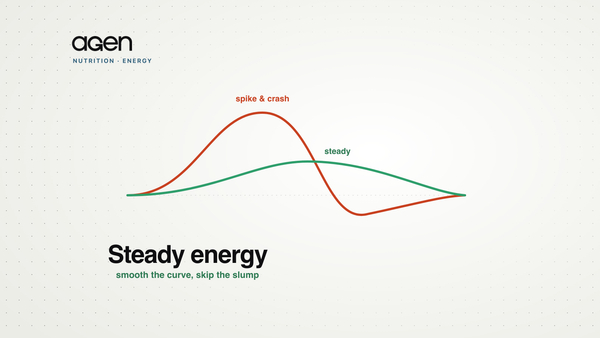
Fibre's reach doesn't stop at the microbiome. Because soluble fibre forms a gel and slows digestion, it helps you feel full on fewer calories — a quiet ally for appetite that doesn't rely on willpower. It also blunts the post-meal glucose rise, which is why a fibre-rich plate is one of the simplest routes to steadier energy. And certain soluble fibres — the beta-glucans in oats and barley, for instance — have authorized roles in maintaining normal blood cholesterol levels as part of the diet. None of this is a treatment for anything; it's the ordinary, compounding payoff of eating the way humans are built to eat. One nutrient, quietly doing several jobs at once.
The bottom line
Fibre is the nutrient most people miss, and it's the food supply for a gut ecosystem that supports normal metabolic, gut, and immune function via the short-chain fatty acids microbes make from it. Aim for the 25–38 g range, prize plant variety over any single superfood, ramp up slowly with plenty of water, and treat probiotic pills and microbiome tests with healthy skepticism. It's foundational, cheap, and quietly powerful — see how it fits the rest in building a longevity protocol. Educational only, not medical advice.